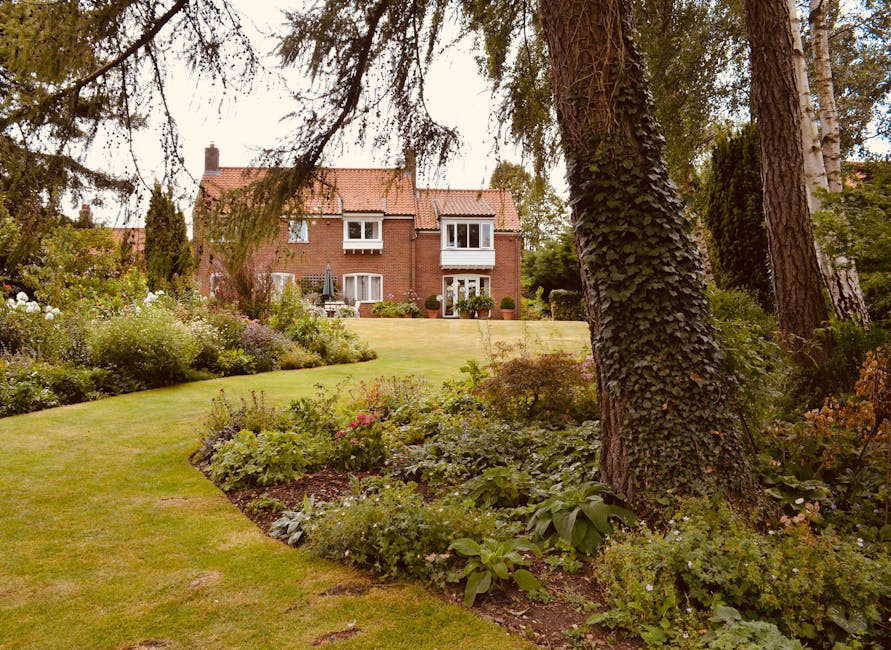
Case Study: Wealdstone Back Garden Transformation by Local Gardeners
If your back garden has become one of those spaces you avoid looking at too closely, you are not alone. In Wealdstone, plenty of outdoor areas start out with good intentions and then slowly slide into clutter, tired paving, patchy lawn, awkward borders, and fencing that has seen better days. This case study on a Wealdstone back garden transformation by local gardeners looks at how a neglected space can be turned into something tidy, usable, and genuinely enjoyable.
The value here is not just the end result. It is the process: how local gardeners assess a space, what they prioritise first, where the hidden problems usually sit, and how to avoid common mistakes that cost time and money later on. If you are weighing up your own garden makeover, this will give you a grounded, practical picture. No fluff. No fantasy garden magazine nonsense. Just a clear view of what works.
We will walk through the stages, the key decisions, the most sensible services to consider, and the kind of finish that tends to hold up well in a busy everyday garden. And if you are thinking about getting support, it helps to know what a professional team can do through gardening services, landscaping, or even a simple garden clearance before any bigger transformation begins.
Table of Contents
- Why This Type of Transformation Matters
- How the Transformation Process Works
- Key Benefits and Practical Advantages
- Who This Is For and When It Makes Sense
- Step-by-Step Guidance
- Expert Tips for Better Results
- Common Mistakes to Avoid
- Tools, Resources and Recommendations
- Law, Compliance, Standards, or Best Practice
- Options, Methods, or Comparison Table
- Case Study or Real-World Example
- Practical Checklist
- Conclusion
- Frequently Asked Questions
Why This Type of Transformation Matters
A back garden transformation matters because most gardens are not just decorative. They are functional family spaces, storage zones, play areas, quiet corners, and sometimes all four at once. In Wealdstone, where many homes have compact or irregular rear gardens, the challenge is often to make the space work hard without making it feel cramped. That is where local gardeners can make a real difference.
The biggest change is usually not visual first, although that helps. It is behavioural. Once a garden feels cleaner, more open, and easier to maintain, people actually start using it again. You sit outside for tea. You let the children play. You stop treating the patio as a place for odd bags of compost and broken plant pots. Truth be told, a tidy garden changes how a home feels day to day.
There is also a local advantage. Gardeners who work in the area tend to understand the practical realities of London gardens: shaded borders, limited access, tired timber, drainage quirks, and the kind of wear that comes from busy urban living. They are less likely to overcomplicate things. They know when a simple fix is better than a dramatic rebuild, which is often exactly what a garden needs.
Key takeaway: a good transformation is not about cramming in every possible feature. It is about making the space calmer, easier to live with, and better suited to your routine.
How This Type of Transformation Works
A well-run garden transformation usually starts with an honest look at what is already there. Local gardeners will typically assess the layout, the condition of existing surfaces, the health of the lawn, the state of hedges or trees, and whether any features can be kept rather than removed. That first sweep matters more than many people think. If you skip it, you can end up designing around problems instead of solving them.
In practical terms, the work often moves through a few clear stages. First comes clearance and removal of debris, overgrowth, or dead material. Then any structural or surface issues are tackled: damaged fencing, uneven paving, poor edging, or compacted soil. After that, the team can shape the space properly, whether that means new planting, lawn repair, patio cleaning, decking, or a more complete redesign.
For a space that has become seriously overgrown, a clean start is often the smartest move. A thorough garden clearance gives the team a blanker canvas and helps them spot hidden issues such as rot, drainage concerns, or broken sleepers. If larger trees or heavy limbs are part of the problem, specialist support from tree surgery or tree lopping and removal may be needed before the layout can be safely improved.
Once the heavy work is done, the transformation becomes more detailed. Borders may be reshaped, turf repaired, hard landscaping laid out, and finishing touches added. A strong result usually feels balanced. Not too bare, not too busy. Just right for the home and the people living there.
Key Benefits and Practical Advantages
The most obvious benefit is a better-looking garden, and yes, that matters. But the practical gains are often more valuable in the long run. A carefully transformed back garden tends to be easier to maintain, safer to walk through, and more enjoyable to spend time in. That can matter a lot if you are juggling work, children, pets, or simply do not want every weekend consumed by garden chores.
- Better usability: the space becomes somewhere you can actually sit, walk, and relax in without dodging clutter.
- Lower maintenance: smart planting, tidy edges, and sensible surface choices reduce the weekly workload.
- Improved safety: level surfaces, clear pathways, and secure boundaries all help.
- Stronger kerb and home appeal: yes, even the back garden can influence how a home feels to you and to future buyers.
- More light and openness: careful pruning and layout changes can make a small garden feel less boxed in.
There is also a mental benefit that people do not always mention. When an outside space feels under control, it stops nagging at you. You do not have that low-level background annoyance every time you open the back door. Small thing, maybe. But it makes a difference.
If the garden has been neglected for a long time, pairing landscaping work with routine garden maintenance can help protect the investment. Otherwise, even a very good transformation can start slipping back after a few months, which is a bit of a shame, really.
Who This Is For and When It Makes Sense
This kind of project suits homeowners who want more from their outdoor space but do not necessarily want a full luxury redesign. It is ideal if the garden is functional but tired, messy, overgrown, or simply awkward to use. In many cases, the issue is not size. It is layout. A small Wealdstone back garden can feel generous if the structure is right. A larger one can feel chaotic if the right work has never been done.
You may be a good fit for this type of transformation if:
- the lawn is patchy, weedy, or uneven;
- fencing is leaning or broken;
- patio areas are slippery, stained, or visually dull;
- hedges or trees are blocking light;
- you want a lower-maintenance garden that still looks good;
- you are preparing a home for sale or rental presentation;
- the garden simply feels like hard work every time you go outside.
It also makes sense if you have already tried a few quick fixes and they have not stuck. Perhaps you have reseeded a lawn twice. Perhaps you have trimmed the hedge, only for it to surge back. Perhaps you keep moving the same pots around and hoping the place magically improves. Let's face it, some gardens need a proper reset rather than another patch job.
If you are at the point where you need design direction as well as practical labour, landscape gardening is usually the better route. If the main issue is surface wear and general appearance, patio cleaning or lawn care may be enough to change the whole feel of the garden without going too far.
Step-by-Step Guidance
Here is the simplest way to think about a back garden transformation. The order matters. If you jump ahead, you often create more work later. A tidy sequence keeps the job cleaner and the budget saner.
- Walk the space properly. Notice where water sits, where the sun hits, what feels cramped, and what is already working.
- Clear first, design second. Remove waste, dead growth, and anything that blocks a proper assessment.
- Deal with structural issues. Broken fencing, damaged edging, and unstable features should be handled early.
- Improve the hard surfaces. A patio, path, or seating area often sets the tone for the whole garden.
- Reset the lawn or planting beds. This may mean new turf, reseeding, mulching, or replanting.
- Finish with tidy details. Edges, borders, trimming, and clean lines make the garden look intentional.
- Plan maintenance from day one. A transformation without upkeep is just a temporary glow-up. Nice for a minute, then gone.
For example, if the rear garden has a weathered patio, overgrown side borders, and a thin lawn, the work may begin with clearance, then move to fencing repairs, then surface cleaning, and finally a soft landscaping refresh. That order is rarely glamorous. It is, however, the bit that produces a result you can live with.
When in doubt, start with the dirtiest or most obstructive part of the job. It is usually the source of half the frustration.
Expert Tips for Better Results
In our experience, the best garden makeovers are rarely the ones with the most features. They are the ones with the clearest purpose. Before choosing decking, paving, planting, or lawn changes, decide how the garden should be used on an ordinary Tuesday evening. That one question can prevent a lot of muddled decisions.
Here are a few practical tips that tend to pay off:
- Prioritise light and access. If tall shrubs or trees are choking the space, sort them before planning new features.
- Keep materials consistent. Too many colours or textures can make a small garden feel busier than it needs to be.
- Use edges to create order. Sharp borders and neat boundaries make even simple planting look smarter.
- Choose maintenance that matches your routine. If you do not enjoy regular gardening, avoid features that demand constant attention.
- Think seasonally. What looks great in June can feel very different by October, especially in a shaded London garden.
A small but useful detail: ask how the finishing work will age. Some surfaces show dirt quickly. Some plants spread aggressively. Some layout choices look lovely in photos and then become awkward in real life. That is not a criticism of the idea; it is just experience speaking.
If sustainability matters to you, you can also ask about waste handling and material choices. A team that follows sensible practices around recycling and sustainability can help reduce avoidable waste. It is one of those quiet wins that rarely gets applause, but it matters.
Common Mistakes to Avoid
Many garden projects go wrong for predictable reasons. The good news is that most of them are avoidable once you know what to look for. The bad news? People keep making the same mistakes because the idea of a fresh new garden is exciting, and excitement can rush decisions. Happens all the time.
- Starting with plants instead of structure. If the patio is uneven or the fencing is failing, planting alone will not solve the bigger problem.
- Choosing features without a use case. A deck, bench, or border should earn its place.
- Ignoring drainage and shade. Those two things shape everything from lawn quality to plant survival.
- Overfilling a small space. The garden can become cluttered fast if every idea is squeezed in at once.
- Skipping ongoing care. Without a maintenance plan, even a lovely transformation fades quicker than expected.
One especially common slip is treating the back garden as a single project rather than a sequence of decisions. But a usable space is built layer by layer. If you are unsure, simpler is usually safer. A clean patio, healthy lawn, neat boundary, and well-judged planting scheme will outperform a crowded design almost every time.
Tools, Resources and Recommendations
You do not need a shed full of specialist kit to improve a garden, but the right tools make a big difference. For larger jobs, local gardeners usually bring commercial-grade equipment for clearance, hedge work, mowing, and surface preparation. For homeowners, the best "resource" is often a solid plan and a realistic sense of what you can maintain.
Useful tools and task categories include:
- mowers and edging tools for a clean lawn finish;
- hedge trimmers for shaping boundaries and screens;
- pressure or surface cleaning equipment for patios and hardstanding;
- wheelbarrows, sacks, and rakes for clear-up work;
- basic hand tools for planting and border maintenance;
- protective gloves, eye protection, and sturdy footwear where needed.
For larger jobs, it is often more efficient to combine services. A garden needing mowing, hedge shaping, and border tidy-up may be best handled as a single visit rather than three separate ones. If the space has a worn lawn, ask about lawn mowing alongside broader lawn care. If the hedging is swallowing the boundaries, hedge trimming can create breathing room very quickly.
And if your garden includes awkward tree growth, do not guess. Get it looked at properly. A poor cut can create more problems than it solves, and nobody wants that kind of surprise.
Law, Compliance, Standards, or Best Practice
For garden transformations in the UK, the most practical compliance concerns are usually safety, waste handling, property boundaries, and any tree work that may need additional care. You do not need to become a legal expert to manage a garden project, but it does help to use a team that takes these issues seriously.
Good practice usually includes checking access before work starts, protecting surfaces where possible, confirming what will be removed from site, and making sure any powered tools are used responsibly. If work involves large trees, unstable branches, or boundary issues, specialist handling is sensible rather than optional. That is where qualified tree surgery support can be a wise part of the plan.
Professional teams should also carry appropriate insurance and follow safe working methods. If you are comparing providers, ask direct questions about insurance and safety and what happens if access is tight or the site has fragile areas. You are not being awkward by asking. You are being careful, which is different.
Best practice also extends to customer terms, pricing clarity, and complaint handling. Those things sound boring until you need them, and then suddenly they are very important. A clear working relationship helps everyone keep their expectations aligned.
Options, Methods, or Comparison Table
Not every Wealdstone back garden needs the same kind of transformation. Some spaces need a full redesign. Others need clearing, cleaning, and a careful tidy-up. Here is a simple comparison to help you think it through.
| Approach | Best For | Typical Outcome | Best Point of Difference |
|---|---|---|---|
| Clearance and tidy-up | Overgrown or cluttered gardens | A cleaner, safer, more manageable space | Fastest way to see a visible change |
| Maintenance-led refresh | Gardens that are mostly fine but tired | Sharper edges, healthier lawn, better presentation | Lower disruption and easier upkeep |
| Landscape-led transformation | Awkward layouts or underused gardens | A more purposeful and attractive design | Best for long-term usability |
| Surface and feature upgrade | Patios, pathways, fencing, or decks needing improvement | Cleaner structure and stronger visual order | Good balance between function and finish |
There is no universal winner. A lot depends on budget, condition, and how you actually use the space. A homeowner who mostly wants a tidy backdrop may prefer maintenance. Someone trying to create a family-friendly outdoor room may lean toward landscaping or decking services. Both can be right.
Case Study or Real-World Example
Here is a realistic example of how a Wealdstone back garden transformation might unfold in practice. The garden starts with an ageing lawn, a patio dulled by moss and weather staining, a few overgrown shrubs, and a fence line that looks tired enough to apologise for itself. The space is usable, technically, but barely.
The first visit focuses on clearance. Loose debris is removed, the shrubs are cut back, and the garden is opened up so the team can assess the structure properly. Once the clutter is gone, the real shape of the space becomes clearer. That is often the moment clients say, "Oh, it's bigger than I thought." Funny how that happens.
Next, the hard surfaces are addressed. The patio is cleaned, the lawn is checked, and the boundary line is reviewed. If the fencing is weak or visually inconsistent, repairs or replacement are brought into the plan. In many cases, the right finish is not a dramatic redesign but a sharper version of the garden that already exists. The original structure stays, but it starts working harder.
Then comes the detail work: lawn care, edging, trimming, and simple planting that softens the hard lines without turning the garden into a maintenance headache. The result is usually a space that feels calmer, brighter, and much easier to live with. Not perfect. Real gardens rarely are. But transformed enough that people start using them again, which is the whole point.
Practical summary: the best back garden transformations are usually built from a clean start, a clear layout, and a maintenance plan that fits real life.
Practical Checklist
Use this checklist before starting your own project. It keeps the process grounded and helps you spot what matters most.
- Have you decided whether the main goal is tidiness, usability, or a full redesign?
- Do you know which parts of the garden are staying and which must go?
- Have you checked for overgrowth, dead wood, or hidden waste?
- Is the lawn worth repairing, replacing, or simplifying?
- Do fencing or boundary issues need attention first?
- Will the patio or paths need cleaning, repair, or resurfacing?
- Are there trees or hedges blocking light or access?
- Do you have a realistic plan for long-term garden maintenance?
- Have you thought about who will use the garden and how often?
- Do you know your budget range before requesting pricing?
If you can answer most of these clearly, you are in a strong position. If not, that is fine too. It just means the first conversation should be about priorities, not pretty finishes.
For a clearer starting point, many homeowners also look at pricing and quotes early in the process. Not because numbers are the only thing that matters, but because they help separate wish-list thinking from a workable plan.
Conclusion
A back garden transformation in Wealdstone does not have to be dramatic to be worthwhile. In fact, some of the best results come from sensible changes: clearing the mess, improving the structure, restoring the lawn, cleaning surfaces, trimming boundaries, and making the whole space easier to use. When local gardeners approach it with care, the garden stops being a problem and starts being part of everyday life again.
The real lesson from this case study is simple. Good garden work is not just about appearance. It is about rhythm, practicality, and making your outdoor space feel like it belongs to your home again. That is what lasts.
And if you have been putting it off because the job feels too big, fair enough. Most people do. But once the right plan is in place, it becomes far more manageable than it first looks.
Get a free quote today and see how much you can save.
Frequently Asked Questions
What usually happens first in a back garden transformation?
Clearance usually comes first. Before any meaningful design or planting work begins, the space needs to be opened up so the condition of the garden can be assessed properly.
How long does a garden transformation in Wealdstone take?
It depends on the size of the garden, how overgrown it is, and whether the job includes landscaping, fencing, or tree work. A small tidy-up may take far less time than a full redesign.
Do I need landscaping, or is garden maintenance enough?
If the garden mainly needs routine care, maintenance may be enough. If the layout feels awkward, the surfaces are tired, or you want a more noticeable change, landscaping is often the better option.
Can a small back garden still be transformed properly?
Absolutely. Small gardens often benefit the most from smart planning, cleaner lines, and a simpler layout. In many cases, a smaller space can feel much bigger once it is organised well.
What is the biggest mistake people make with garden makeovers?
Jumping into features before dealing with structure. If the fence is failing, the lawn is poor, or the patio is dirty, those issues should be handled first.
Is patio cleaning really worth including in a garden makeover?
Yes, often. A clean patio can lift the whole garden visually and make the space feel brighter and better cared for without major construction work.
When should tree surgery or tree removal be considered?
If trees are unsafe, heavily overgrown, blocking light, or affecting the layout, professional attention is sensible. Large or awkward trees should never be guessed at.
How do I keep the new garden looking good after the work is done?
A realistic maintenance plan is key. Regular mowing, hedge trimming, border tidying, and occasional surface cleaning will help protect the result.
Is it better to fix the lawn or replace it?
That depends on the condition. If the lawn is thin but recoverable, lawn care may be enough. If it is badly damaged or uneven, replacement may be more practical.
What should I ask before booking a local gardener?
Ask about the scope of work, timing, access, waste removal, insurance, and what happens if they find hidden problems during the job. A good provider should answer clearly.
How do fencing and boundaries affect the final result?
Quite a lot. Strong, tidy boundaries frame the garden and make the whole space feel finished. Worn or unstable fencing can undermine even a well-designed layout.
Can I combine clearance, landscaping, and maintenance in one project?
Yes, and that is often the most efficient approach. Combining services can make the transformation smoother and help everything fit together properly from day one.
In the end, the best garden is the one you actually use. Not the fanciest one. Not the most photographed one. The one that feels right when you step outside, even on an ordinary day.