Wealdstone Station Planters and Verge Maintenance Local Gardeners: A Practical Guide to Cleaner, Greener Street Edges
If you've ever walked past a tired planter, a patchy verge, or a station frontage that looks a little forgotten after a windy week, you already understand the point of this article. Wealdstone station planters and verge maintenance local gardeners is not just about making things look neat for a day or two. It's about keeping public-facing green spaces healthy, safe, and presentable through regular, careful upkeep.
In places like Wealdstone, where foot traffic, road dust, changing weather, and day-to-day wear all work against planting, the job needs a steady hand. Not a dramatic overhaul. Just consistent, informed maintenance. The kind that keeps weeds down, keeps plants alive, and stops the whole area from looking a bit sad by Thursday afternoon.
This guide explains how local gardeners approach station planters, roadside verges, and nearby planted edges, what makes these spaces different from a private garden, and how to decide when professional help is the sensible option. It also covers timing, best practice, common mistakes, and a few real-world considerations that are easy to miss.
Contents
- Why Wealdstone station planters and verge maintenance local gardeners Matters
- How Wealdstone station planters and verge maintenance local gardeners Works
- Key Benefits and Practical Advantages
- Who This Is For and When It Makes Sense
- Step-by-Step Guidance
- Expert Tips for Better Results
- Common Mistakes to Avoid
- Tools, Resources and Recommendations
- Law, Compliance, Standards, or Best Practice
- Options, Methods, or Comparison Table
- Case Study or Real-World Example
- Practical Checklist
- Conclusion
- Frequently Asked Questions
Why Wealdstone station planters and verge maintenance local gardeners Matters
Station planters and verge planting do more than soften a streetscape. They shape first impressions. They can make a busy arrival point feel cared for rather than neglected, and they quietly signal whether the surrounding area is being looked after properly. In a high-traffic place, that matters a lot more than people sometimes admit.
There's also a practical side. Overgrown verges can hide litter, spill into walkways, and create messy edges that are awkward to mow or trim. Planters can dry out fast, become compacted, or get battered by repeated footfall and road grime. One wet weekend, one dry spell, one gusty night, and suddenly the whole display looks like it's been through a small war. To be fair, that's life for public planting.
Local gardeners are useful here because they understand the rhythm of the area: the weather swings, the pace of maintenance, and the type of planting that can cope without constant rescue. That local knowledge is what turns a one-off tidy-up into something sustainable.
For broader upkeep across gardens and planted areas nearby, many property owners also combine this kind of work with garden maintenance in Wealdstone, especially where shared spaces or frontage beds need regular attention.
How Wealdstone station planters and verge maintenance local gardeners Works
At its simplest, the process is a blend of inspection, light horticultural judgement, and regular hands-on care. The gardener looks at the condition of the planter or verge, identifies what is thriving and what is struggling, then works out the right maintenance cycle. Public-facing planting is rarely about one big intervention; it's about small, repeated actions that prevent bigger problems.
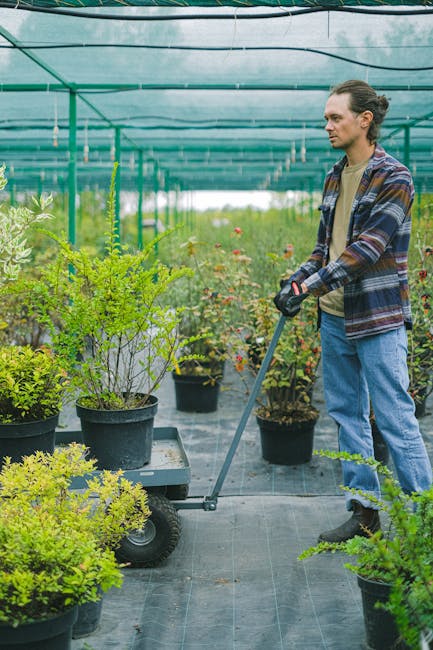
A typical visit might include weeding, edging, deadheading, pruning back soft growth, topping up mulch, checking irrigation or watering needs, and removing litter or debris. In some cases, the task also includes improving soil structure, replacing failed plants, or adjusting the layout so the display is easier to maintain in the future.
Verge maintenance often needs a slightly different touch from planter care. Verges may be exposed to vehicles, compacted from foot traffic, or affected by runoff. That means the gardener has to think about resilience as much as appearance. What plant can handle heat from paving? What keeps its shape after rain? What roots help with coverage without causing a problem later? Those are the questions that matter.
Where the planting design is part of a wider front-of-property plan, local gardeners may also coordinate with landscaping support in Wealdstone so that the whole area works together rather than feeling patched up one piece at a time.
Key Benefits and Practical Advantages
Good station planter and verge maintenance offers benefits that are both visible and quietly operational. You get the tidy appearance everyone notices, yes, but you also get longer-lasting planting, fewer emergency callouts, and less waste from repeatedly replacing failed material.
- Better public presentation: Clean, structured planting makes the area feel looked after.
- Healthier plants: Regular pruning and weeding reduce competition for water and nutrients.
- Improved safety: Well-kept verges are less likely to obstruct paths or sightlines.
- Lower long-term disruption: Routine maintenance is usually easier than repeated recovery work.
- Stronger plant resilience: Appropriate species and steady care help planting cope with weather and wear.
There's another benefit people forget: morale. A clean, green station approach or verge can make a genuinely ordinary journey feel calmer. You notice it when it's there. You really do notice it when it isn't.
And if the surrounding grassed areas are part of the same upkeep cycle, it can make sense to include lawn care in Wealdstone so the whole frontage looks coherent, not bitty.
Who This Is For and When It Makes Sense
This kind of maintenance is usually relevant to property managers, business owners, landlords, community groups, transport-adjacent premises, and residents who want the outside of a site to stay presentable without becoming another weekend headache. It also suits anyone responsible for a frontage that is seen by lots of people every day.
It makes sense when the space has one or more of these issues:
- plants keep failing after dry spells or heavy rain
- weeds return quickly after basic clearing
- the verge edges look rough or uneven
- litter and leaf fall collect around planters
- the planting is visible from a road, platform, path, or entrance and needs to stay tidy
If the site has hedges, overhanging shrubs, or boundary growth close by, you may also need hedge trimming in Wealdstone to stop the planting area from being swallowed up.
Sometimes the decision is simple: you can keep on top of it with a quick sweep and water. Other times the issue is clearly bigger than a casual tidy. That's usually when local gardeners earn their keep.
Step-by-Step Guidance
If you're managing station planters or verge planting for the first time, a structured approach helps. Skipping the basics tends to create more work later, which is a shame because most problems are preventable.
- Inspect the area properly. Look for weed pressure, broken stems, bare soil, compaction, litter, and drainage issues. Don't just glance at the top layer.
- Clear debris and dead material. Remove fallen leaves, old stems, and any rubbish that traps moisture or hides pests.
- Assess the planting mix. Decide what is worth keeping, what needs cutting back, and what should be replaced. Public-facing planting needs honesty, not sentimentality.
- Weed with care. Get roots out where possible, especially around edges and in planter corners. A quick surface pull is not enough on its own.
- Prune for shape and airflow. Keep growth balanced so plants do not become leggy, top-heavy, or hard to manage.
- Refresh the soil surface. Add compost or mulch where suitable to help hold moisture and suppress weeds.
- Water sensibly. Check whether the site needs deep watering less often or lighter watering more regularly. The answer depends on the planting and exposure.
- Review access and maintenance ease. If a plant is beautiful but awkward to reach, it may be the wrong choice for a busy public setting.
One useful habit: write down what you changed. Even a rough note helps next time. It stops you from wondering, three weeks later, why one corner is thriving while the other looks exhausted.
Expert Tips for Better Results
The best station planters and verges are rarely the fanciest. They're the ones that are designed to survive the realities of the site. In our experience, that means choosing reliable plants, setting expectations realistically, and keeping the maintenance rhythm steady.
Choose plants that forgive a bit of neglect
For public or semi-public settings, hardy perennials, tough grasses, and low-maintenance groundcover often outperform delicate seasonal displays. If you want ideas that spread well and help cover exposed soil, the article on ground cover plants for UK gardens is a useful starting point.
Use shape to simplify upkeep
Straight edges, repeat planting, and clean transitions are easier to maintain than complicated curves packed with different species. That doesn't mean boring. It means manageable. There's a difference, and a big one at that.
Think seasonally, not just weekly
Spring growth, summer drying, autumn leaf fall, and winter exposure all change the job. A planter that looks fine in May can look very different by late September. Planning for the whole year reduces unpleasant surprises.
Keep a weather eye on exposed spots
Windy sites need sturdier plant choices and slightly more frequent checks. If you want to understand how weather can change planting performance, see this guide on severe weather survival.
Don't let maintenance become rescue work
It's easier to remove one weed and one broken stem today than to clear a crowded planter next month. Small, regular tasks are boring, yes. Also effective.
Common Mistakes to Avoid
Most problems with station planters and verge maintenance are not dramatic failures. They're small oversights repeated a little too often. The good news is that they're easy to correct once you spot the pattern.
- Using the wrong plants for exposure: delicate planting in a harsh, open site tends to struggle.
- Ignoring soil health: poor soil means weak roots, and weak roots mean constant replanting.
- Overwatering or underwatering: both can be damaging, especially in containers.
- Leaving weeds until they seed: that creates far more work later.
- Trimming too hard too often: this can stress plants and ruin the overall shape.
- Forgetting access: if a maintenance team cannot safely reach the back edge, the whole planter suffers.
Another common issue is trying to make a public planting scheme look like a private ornamental border. They're not the same thing. The maintenance burden is different, the tolerance for failure is lower, and the whole setup needs to be more forgiving.
Tools, Resources and Recommendations
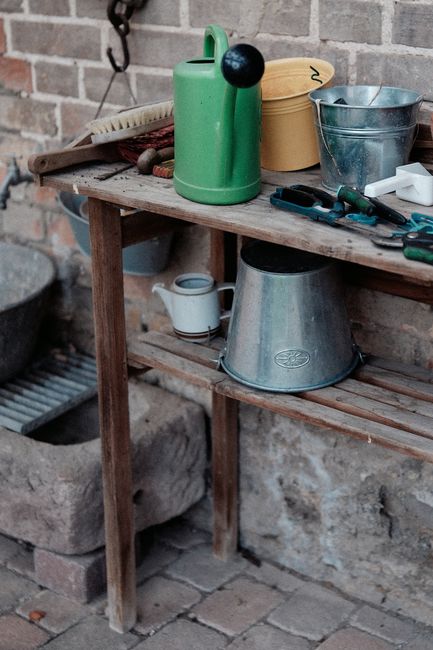
A good maintenance routine does not need flashy kit. It needs reliable tools, decent timing, and a plan that matches the site. The right equipment saves time and makes the finish look cleaner. The wrong equipment just adds effort.
| Tool or Resource | Best Used For | Why It Helps |
|---|---|---|
| Hand trowel and hand fork | Weeding and soil refresh in planters | Good for close-up work without disturbing roots too much |
| Bypass secateurs | Deadheading and light pruning | Cleaner cuts, less damage to soft stems |
| Long-handled shears | Edging and shaping mixed planting | Helps maintain a neat line without overworking the wrist |
| Mulch or compost | Soil protection and moisture retention | Supports healthier growth and slows weed return |
| Debris sacks or collection bins | Clearance after pruning and weeding | Stops the site looking messy once the work is done |
If the site also includes hard landscaping around the planting, it can help to coordinate with patio cleaning in Wealdstone or related surface upkeep so soil, algae, and debris do not keep drifting back into the beds.
For broader gardening support, many people also combine this work with general gardening services in Wealdstone, especially where the planting area sits alongside nearby beds, borders, or entry points.
Law, Compliance, Standards, or Best Practice
For public or semi-public planting, the main concern is usually not dramatic legal complexity; it is sensible, safe, and respectful maintenance. That said, a few practical standards matter. Access routes should remain clear. Cut material should not be left where it can create slip hazards or trip risks. Tools should be used carefully around people, pets, railings, and traffic edges.
If the verge or planter sits near a road, walkway, or station approach, maintenance should avoid obstructing visibility or leaving loose debris where it can be blown about. In UK practice, careful planning around site safety, public access, and tidy disposal is just common sense. You can usually feel when work has been done properly: the area looks clean, but not scraped bare.
Where trees are nearby, and especially where root zones or overhanging branches may affect the planting, a professional judgment call may be needed. That's where tree surgery in Wealdstone can become relevant, though only when the issue genuinely calls for it.
Best practice also means using plant choices and maintenance routines that suit the site rather than forcing a decorative vision onto a difficult space. There is no prize for making life harder than it needs to be.
Options, Methods, or Comparison Table
Different sites need different maintenance approaches. A container-style planter near a station entrance behaves differently from a narrow roadside verge, and a seasonal bedding scheme is not the same as a low-maintenance perennial edge. Here's a practical comparison.
| Method | Best For | Strengths | Trade-offs |
|---|---|---|---|
| Seasonal bedding | Immediate colour and display impact | Bright, flexible, eye-catching | Higher replacement and watering needs |
| Perennial planting | Longer-term structure | More resilient, often less wasteful | Can take time to establish fully |
| Ground cover | Weed suppression and exposed soil areas | Useful for coverage and softer edges | Needs careful species selection |
| Mixed hard-and-soft landscaping | Busy entrance points and edge zones | Durable and balanced | Requires coordination between surfaces and planting |
If you want the least stressful option over time, a mixed strategy often works best: sturdy planting, straightforward structure, and maintenance that is frequent enough to stay ahead of the mess.
Case Study or Real-World Example
Picture a modest planter close to a busy station approach. It starts the spring looking fine enough, but by mid-season the middle is sparse, weeds are crowding the corners, and the soil has dried into a crust near the top. Nothing catastrophic, just neglected. The verge beside it has the same issue: a few clumps of grass, scattered litter, and the odd bit of overgrowth leaning into the path.
A local gardener comes in and does three things first: clears the debris, removes weed pressure properly, and checks which plants are worth saving. Next, they reshape the planting so the stronger specimens have room, add a moisture-holding surface dressing where appropriate, and simplify the edges so future maintenance is quicker. The result is not over-designed. It simply looks cared for, which is exactly what the site needed.
That is the heart of good local maintenance work. Not drama. Not reinvention. Just steady improvement that holds up after the next wet week.
In similar situations, gardeners may also use ideas from refreshing a neglected garden step by step to rebuild a planting area without overwhelming the site with unnecessary changes.
Practical Checklist
Before or after a maintenance visit, use this quick checklist to keep the work on track.
- Is the planter or verge free from visible litter and debris?
- Have weeds been removed at the root where possible?
- Do plants look evenly shaped rather than leggy or overcrowded?
- Is the soil surface covered or refreshed where needed?
- Are there any bare patches that need replanting?
- Is the area safe and easy to access for future visits?
- Do the plants suit the amount of sun, shade, wind, and foot traffic?
- Has the area been watered or scheduled for watering appropriately?
- Are edges clean enough to make mowing or trimming easier next time?
- Has the maintenance routine been noted for follow-up?
Quick takeaway: if the area looks tidy but is hard to maintain, the design still needs work. If it is easy to maintain but looks rough, the maintenance frequency is probably too low. The sweet spot is both.
Conclusion
Wealdstone station planters and verge maintenance local gardeners play an important role in keeping busy, visible green spaces attractive and manageable. Done well, the work supports plant health, improves safety, and helps a public-facing site stay calm and presentable through the ordinary chaos of weather, foot traffic, and time.
The best results usually come from simple ideas carried out consistently: choose tough plants, keep edges clear, treat soil properly, and work with the site rather than against it. That's the whole trick, really. Not glamorous, but effective.
If you're weighing up regular upkeep for a station approach, frontage, or verge planting scheme, the sensible next step is to ask for a local assessment and get a maintenance plan that fits the space instead of forcing the space to fit the plan.
Get a free quote today and see how much you can save.
With the right care, even the most ordinary strip of planting can become something people quietly appreciate on the way past. And honestly, that little bit of care makes a bigger difference than most people expect.
Frequently Asked Questions
What do local gardeners do for station planters and verges?
They usually handle weeding, pruning, deadheading, debris removal, soil refresh, plant replacement, and general tidy-up work. On exposed sites, they also look at resilience and access so the area stays manageable over time.
How often should Wealdstone station planters be maintained?
That depends on exposure, plant choice, and how busy the site is. High-traffic or highly visible areas often need more regular visits than a private border, especially in growing season.
Are verge planters different from normal garden beds?
Yes. Verge planting usually faces more dust, compaction, weather stress, and public wear. That means plant choices and maintenance methods need to be tougher and simpler.
Which plants work best for exposed public-facing areas?
Hardy perennials, robust ground cover, and low-maintenance structure plants usually perform better than fragile bedding. The right choice depends on sun, shade, drainage, and how much attention the site can realistically get.
Can local gardeners help with overgrown edges and surrounding hedges too?
Yes, when that growth affects the planter or verge area. In many cases, trimming nearby hedges helps keep the planting space open and easier to maintain.
What are the biggest mistakes people make with planter maintenance?
The most common ones are using unsuitable plants, leaving weeds too long, overwatering containers, and trimming too aggressively. Another big one is designing the space without thinking about future access.
Do I need a full landscaping job, or just maintenance?
If the planting is basically sound and only needs regular care, maintenance is usually enough. If the structure is awkward, the soil is poor, or the layout is making the work harder each time, a redesign may be smarter.
Is verge maintenance mostly about appearance?
No. Appearance matters, but so do safety, plant health, access, and long-term practicality. A neat verge that keeps failing is not really a success.
What should I ask before hiring a gardener for this kind of work?
Ask how they approach exposed sites, what maintenance schedule they recommend, how they handle waste, and whether they can adapt the planting plan if certain species are not coping.
Can maintenance be done without replacing all the plants?
Absolutely. In many cases, a good clean-up, soil improvement, and selective replacement is enough. Replacing everything at once is not always necessary, and often not the best use of budget either.
How do I know if the planter is being looked after properly?
You should see steady improvement rather than constant decline. The planting should look tidy, the weeds should stay under control, and the area should remain easy to access and maintain. If the same problems keep coming back, something in the routine needs adjusting.
Who is this service best suited to in Wealdstone?
It suits anyone responsible for visible planting near stations, entrances, shared paths, or roadside frontage areas. If the space needs to look good and stay manageable, local gardeners are usually the sensible call.